


Why New Under $30k Is a Smart First Move
For young drivers and first-time buyers, a new vehicle under $30,000 delivers the right balance of affordability, confidence, and modern features. You’ll get advanced safety tech, a full factory warranty, and budget-friendly payments—without giving up style or comfort.

Affordable Monthly Payments

Safety and Tech You’ll Actually Use
How to Buy Your First New Car (Without Stress)
Follow these quick steps to make a confident first purchase:
- Set a total budget: Consider monthly payment, insurance, fuel, and maintenance.
- Get pre-qualified: Understand your rates and max approval—no surprises.
- Shortlist models: Compare safety ratings, MPG, infotainment, and warranty.
- Test drive: Check visibility, comfort, and driver-assistance behavior.
- Review the offer: Look at APR, term length, and out-the-door price before signing.
Get pre-qualified in just a few taps
When you're searching for the perfect vehicle, it helps to know if you qualify for the financing you need. Get pre-qualified in just a few taps, with no effect on your credit score.
Powered by


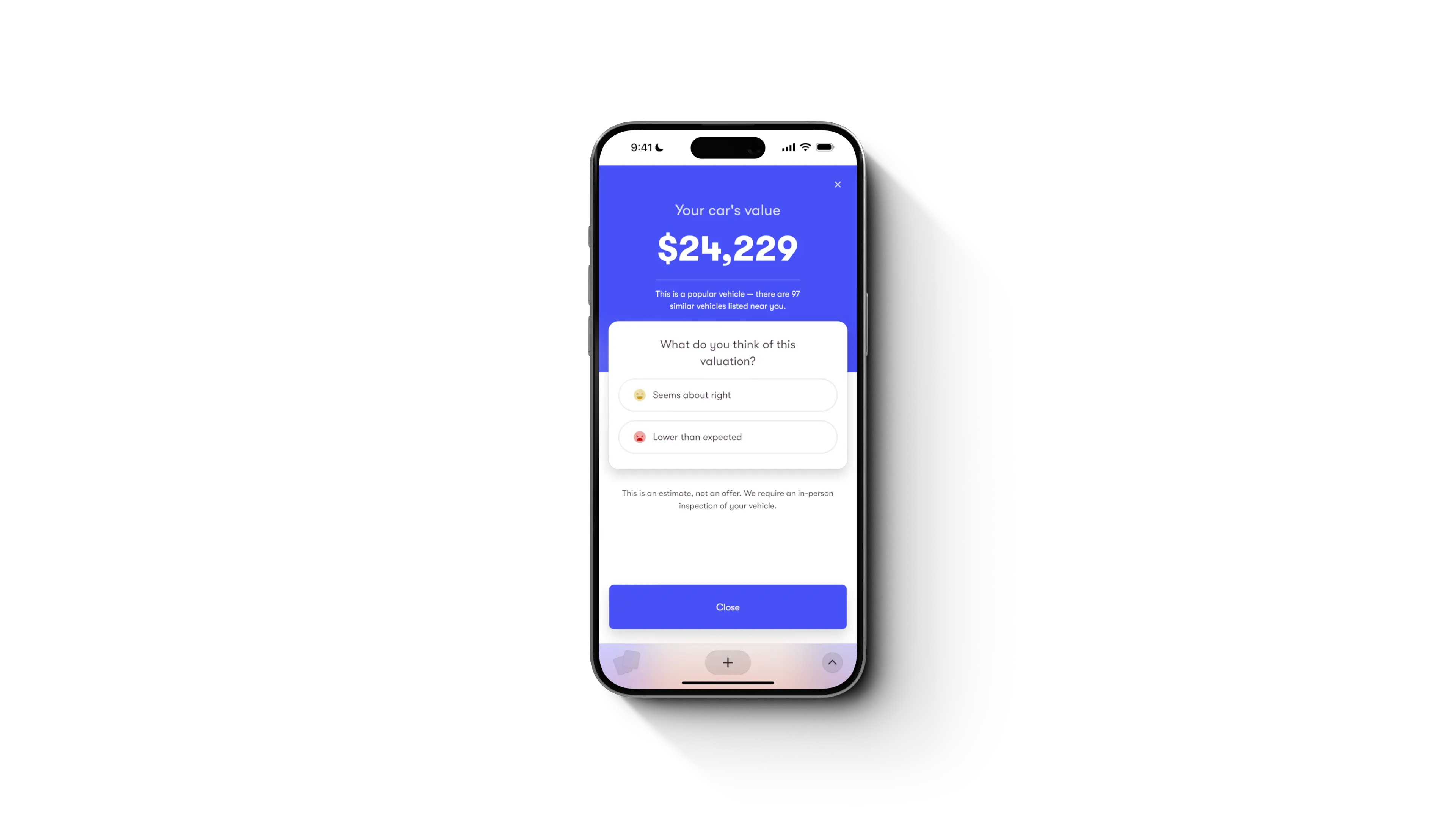
What's your vehicle worth?
Get an estimate of your vehicle's trade-in value, based on real local market data — in under 30 seconds.
Powered by

Browse New Vehicles Under $30k
FAQs for Young Drivers and First-Time Buyers
Is financing a new car under $30k a good idea for first-time buyers?
Yes—when the payment fits your budget and you choose a shorter term. New vehicles often qualify for lower APRs and incentives, and the factory warranty reduces surprise repair costs. Get pre-qualified to see your real numbers before you shop.
How much should I put down?
Many first-time buyers target 10%–20% down, but strong credit or manufacturer incentives can lower that. Use pre-qualification to balance down payment, APR, and term for the monthly payment you want.
Will insurance be higher for a new car?
New cars can carry higher comprehensive and collision costs, but safety tech, good driving records, and student/graduate discounts can help. Compare quotes before you sign.
What warranty coverage should I expect?
Most new vehicles include a bumper-to-bumper warranty (typically 3yr/36k mi) and a longer powertrain warranty. This coverage adds peace of mind and lowers ownership risk for first-time buyers.
Can a new auto loan help build my credit?
Yes. Making on-time payments on an installment loan helps establish credit history. Keep your term reasonable and avoid borrowing more than you need.
